
ETA In Shipping: Why Accurate Arrival Times Matter
In the maritime world, shipping ETA (Estimated Time of Arrival) is one of the most critical metrics in global trade. It tells ports, terminal operators, and logistics providers when a vessel or cargo is expected to arrive, shaping everything from berth allocation to delivery schedules. Shipping ETA is a planning signal that determines how smoothly operations run.
When ETAs are accurate, ports operate efficiently, carriers save fuel, and customers receive reliable delivery updates. But when they’re wrong, the result is congestion, wasted resources, and increased costs. Understanding shipping ETA and how predictive technologies are improving it is essential to managing modern maritime logistics effectively.
What is ETA in shipping?
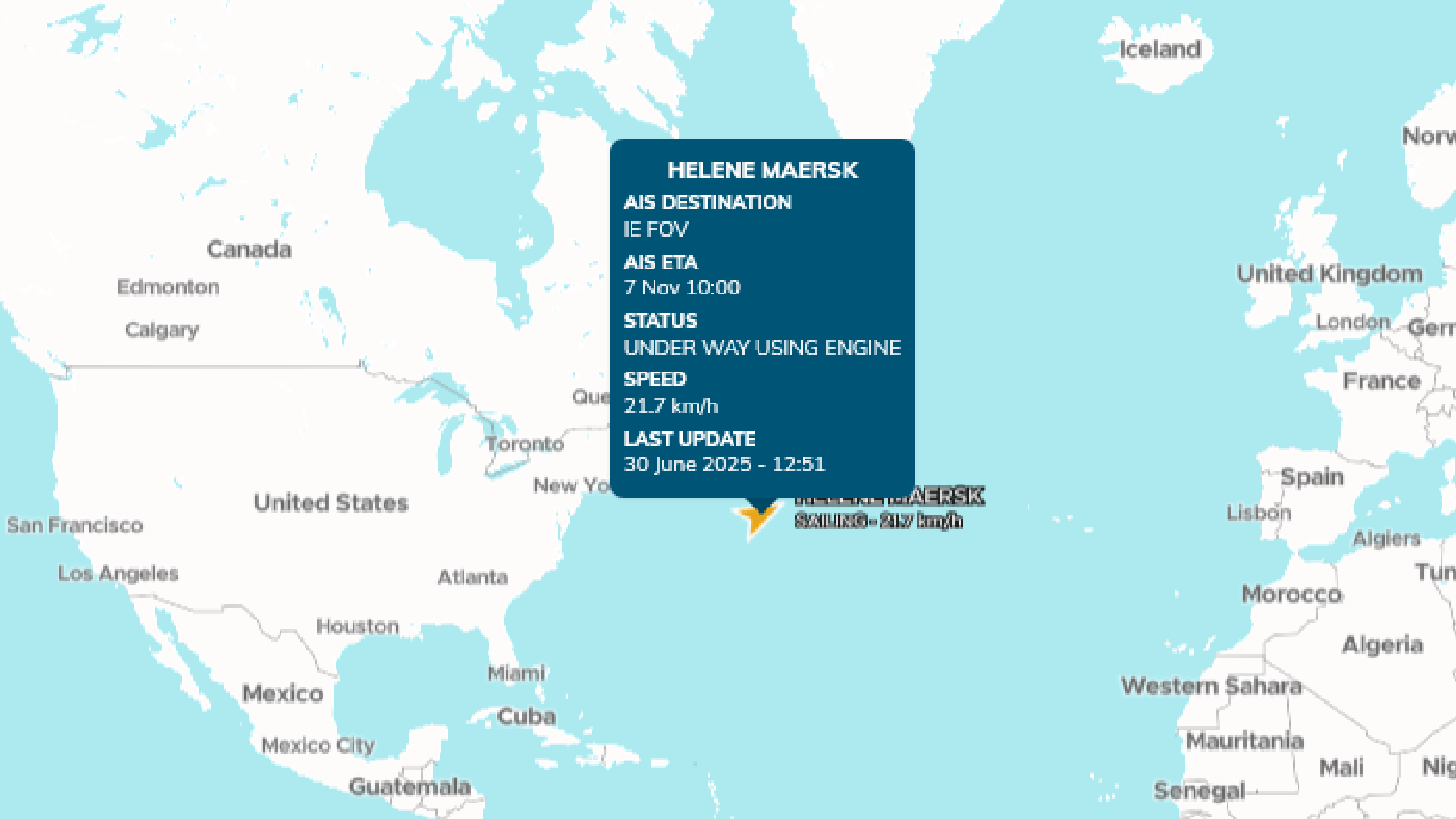
Shipping ETA represents the expected arrival time of a vessel or shipment at its destination. Ports use it to prepare berths, schedule workers, and coordinate onward transport. The term is often mentioned alongside ETD (Estimated Time of Departure), ATA (Actual Time of Arrival), and ATD (Actual Time of Departure), all of which help track the movement of ships and cargo.
It’s also important to distinguish between a vessel ETA and a cargo-level ETA. The first indicates when the entire vessel is expected to reach port, while the latter refers to when a specific container or shipment on board will be ready for pickup or transfer. This distinction helps logistics teams manage complex, multi-port routes more effectively.
Why ETA matters
Accurate shipping ETA data is the foundation of efficient port operations. Ports rely on ETA predictions to plan berth allocation, coordinate labor, and avoid bottlenecks. Terminal operators can better schedule cranes, trucks, and rail links when they know exactly when a vessel will arrive. For cargo owners and freight forwarders, it ensures supply chain predictability and improves communication with customers.
Moreover, accurate ETAs reduce fuel consumption, cut down waiting times, and lower emissions by minimizing idle periods at anchor. In an industry increasingly focused on sustainability, precision in ETA calculations has both economic and environmental benefits.
Why shipping ETA is often inaccurate
Despite its importance, shipping ETA is frequently unreliable. Weather and sea conditions can cause unexpected delays, and port congestion often leads to schedule disruptions that ripple through global routes. Many operators still depend on manual reporting and static scheduling systems, which can’t account for real-time changes. As a result, ETAs are often outdated by the time they reach stakeholders, creating inefficiencies throughout the supply chain.
Improving shipping ETA with predictive technology
To overcome these challenges, the industry is moving toward predictive shipping ETA models powered by real-time data and artificial intelligence. Unlike static ETAs that remain fixed after departure, predictive systems continuously update arrival times as new information (weather patterns, vessel speed, port conditions…) becomes available.
These predictive tools analyze historical patterns and live AIS data to provide highly accurate forecasts. This shift enables operators to anticipate disruptions, reroute vessels efficiently, and optimize port operations in advance rather than reacting to delays after they occur.
Smarter operations with better ETAs & shared insights
Using digital twins, timestamps, and connected APIs, Teqplay has integrated live data from vessels and ports into one unified view. This allows all stakeholders: port authorities, terminals, and logistics providers, to work with synchronized and continuously updated ETA information.
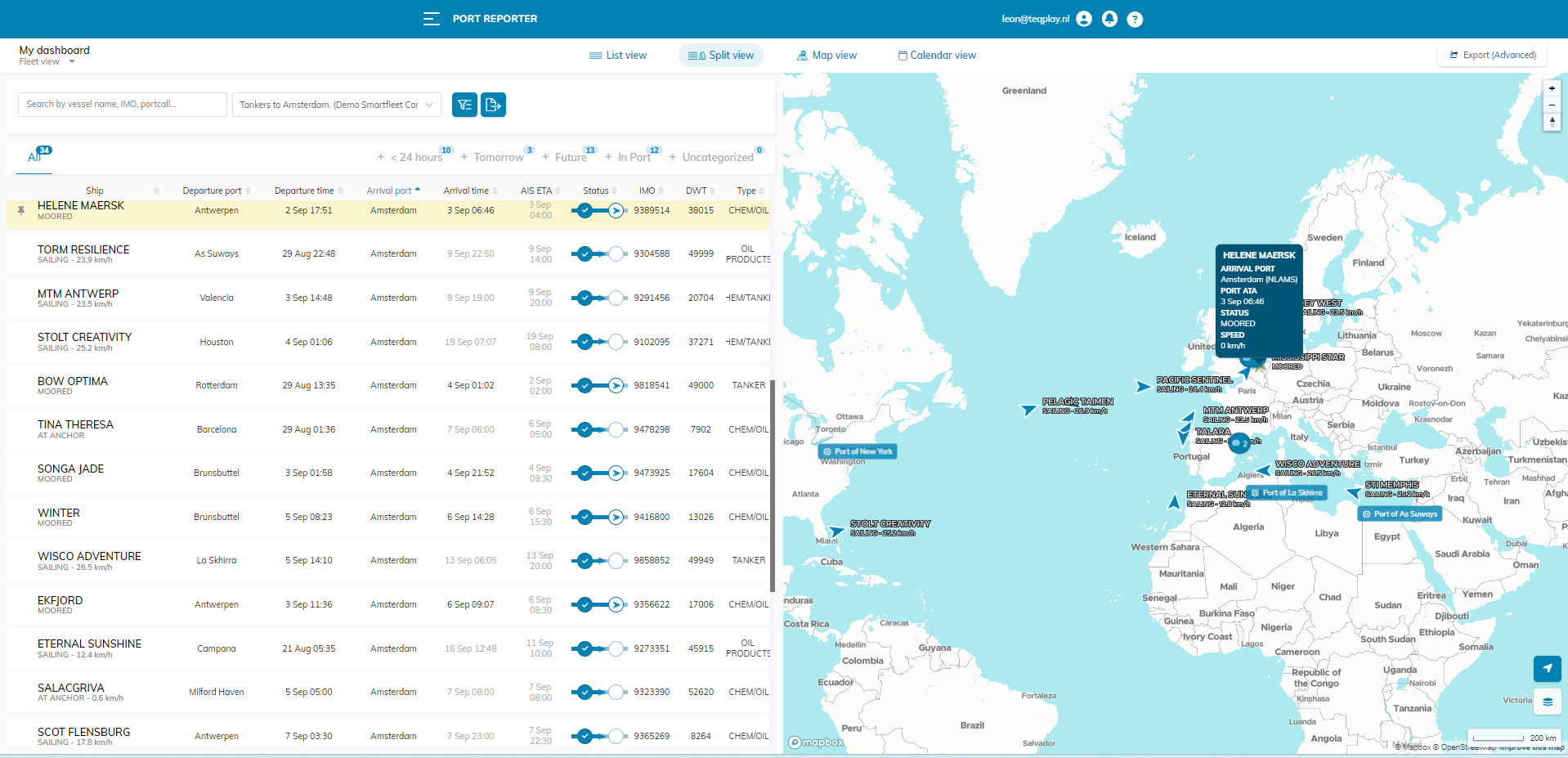
By enabling smarter decision-making, waiting times are reduced, berth scheduling is optimized, and sustainability improves across the maritime ecosystem. Predictive ETA systems turn static data into actionable intelligence for modern port operations.
ETA is a vital performance indicator that defines the rhythm of global maritime operations. When managed accurately, it enables ports to operate smoothly, improves communication between stakeholders, and supports greener, more efficient shipping practices. The industry’s shift toward predictive ETA technology marks a major step forward: transforming arrival estimates from reactive guesses into proactive, data-driven insights.
Ports and logistics providers that embrace this predictive approach will gain a significant advantage in efficiency, reliability, and sustainability in the years ahead.

Léon Gommans | CEO/Co Founder of Teqplay
A serial entrepreneur who’s passionate about #innovation, #technology, #collaboration, and of course, #maritime. The mission is: to connect the dots & to get it to work, together with the industry!
- +31 (0)6 55306660
- leon@teqplay.com
- Léon Gommans